Ngorongoro Crater
Africa's Garden of Eden
The World's Largest Volcanic Caldera
The Ngorongoro Crater stands as one of Africa's most remarkable natural wonders and represents a pinnacle achievement in wildlife conservation. This UNESCO World Heritage Site, often referred to as "Africa's Garden of Eden," encompasses the world's largest inactive volcanic caldera, creating a unique ecosystem that has captivated visitors and researchers for decades.
Formed approximately 2.5 million years ago when a massive volcano collapsed inward, the crater measures 19 kilometers across, covers 264 square kilometers, and features walls rising 400-610 meters above the crater floor. This natural amphitheater creates a self-contained ecosystem that supports an extraordinary concentration of wildlife in a relatively small area, making it one of the most densely populated wildlife areas in Africa.
Exceptional Wildlife Concentration
The Ngorongoro Crater is home to approximately 25,000 large animals, creating one of the highest wildlife densities on the continent. This remarkable concentration exists because the crater's steep walls form a natural barrier, creating a largely self-contained ecosystem where animals rarely migrate outside the caldera. The permanent water sources, including Lake Magadi and numerous springs, ensure year-round wildlife viewing opportunities.
The crater is one of the few places in Tanzania where visitors can reliably spot all members of the Big Five in a single day. The area supports approximately 7,000 wildebeest, 4,000 zebras, 3,000 eland, and 3,000 gazelles. Large predator populations include around 62 lions living in seven prides, numerous spotted hyenas, and elusive leopards that inhabit the forested crater walls.
The Last Sanctuary for Black Rhinos
Perhaps most significantly, the Ngorongoro Crater serves as a critical sanctuary for the critically endangered black rhinoceros. The crater hosts one of Tanzania's most important black rhino populations, with approximately 30-40 individuals representing a vital genetic reservoir for this species. These magnificent creatures, once widespread across Africa, now find refuge within the crater's protective walls, making sightings particularly special and meaningful for conservation.
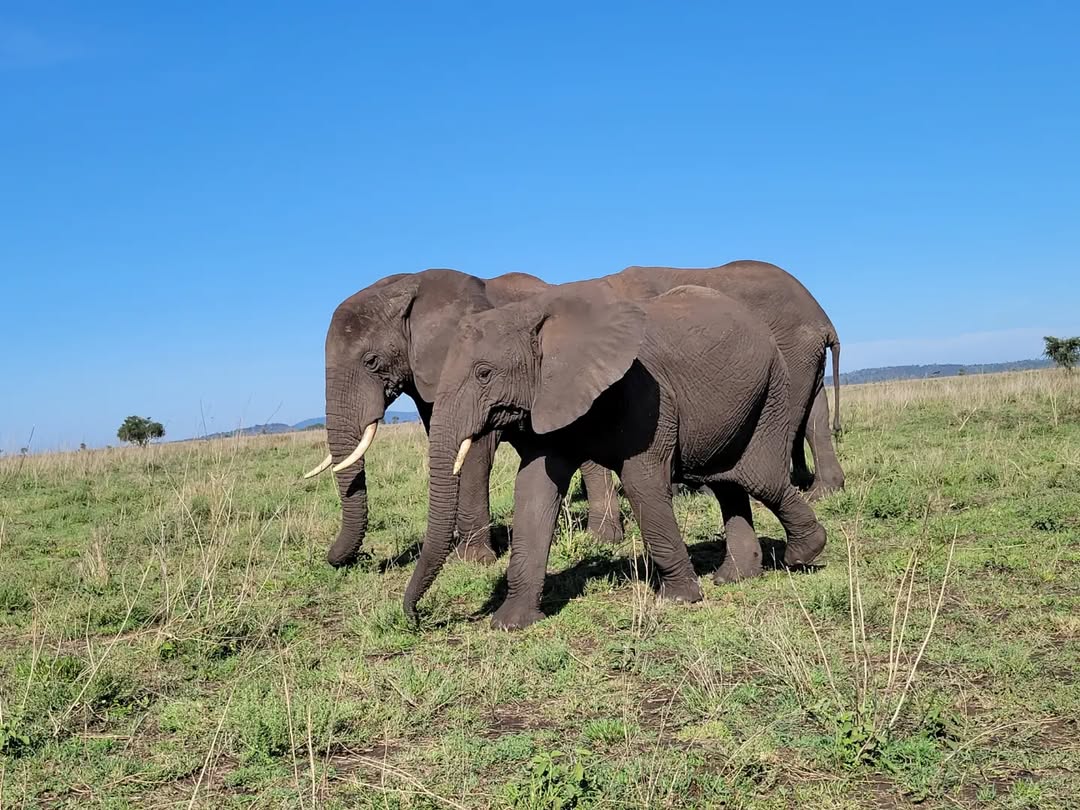
The crater's elephant population, while smaller than other parks, consists of predominantly large bulls with impressive tusks. These elephants have adapted to the crater's unique environment and often display different behavioral patterns compared to their counterparts in other ecosystems, providing fascinating insights into elephant ecology and adaptation.
Diverse Ecosystems and Habitats
Despite its relatively compact size, the Ngorongoro Crater encompasses remarkably diverse habitats that support different wildlife communities. The crater floor features open grasslands, acacia woodlands, freshwater and alkaline lakes, swamps, and seasonal wetlands. Each habitat supports specialized species and provides different ecological niches within the broader ecosystem.
Lake Magadi, a shallow alkaline lake in the crater's center, attracts thousands of flamingos during certain seasons, creating spectacular pink carpets across the water's surface. The surrounding grasslands support vast herds of grazing animals, while the acacia woodlands provide shelter and browsing opportunities for elephants and other species. The Lerai Forest, fed by underground springs, creates a lush oasis that supports different bird species and provides crucial dry season refuge for many animals.
Maasai Cultural Heritage
The Ngorongoro Conservation Area represents a unique model of conservation that integrates wildlife protection with indigenous cultural preservation. The Maasai people have coexisted with wildlife in this region for centuries, practicing traditional pastoralism that has actually contributed to maintaining the area's ecological balance. This coexistence demonstrates that conservation and traditional lifestyles can successfully complement each other.
Visitors can experience authentic Maasai culture through village visits, where they learn about traditional practices, customs, and the deep spiritual connection between the Maasai people and their environment. These cultural interactions provide valuable insights into sustainable living practices and the importance of indigenous knowledge in conservation efforts.
Optimal Visiting Experience
The Ngorongoro Crater offers exceptional wildlife viewing year-round due to its permanent water sources and contained ecosystem. However, different seasons provide varying experiences. The dry season from June to October offers excellent game viewing with clear skies and comfortable temperatures, while the wet season from November to May brings lush green landscapes, newborn animals, and spectacular birdwatching opportunities.
Game drives typically begin with a dramatic descent down the crater walls, offering breathtaking panoramic views of the crater floor below. The descent itself is an adventure, winding through different vegetation zones and providing opportunities to spot different species adapted to various elevations. Once on the crater floor, visitors can explore different areas, each offering unique wildlife viewing opportunities and photographic possibilities.
Conservation Legacy and Future
The Ngorongoro Crater stands as a testament to successful conservation practices and the possibility of balancing wildlife protection with human needs. Its designation as both a UNESCO World Heritage Site and Biosphere Reserve recognizes its global significance for biodiversity conservation and cultural preservation. The crater continues to serve as a living laboratory for conservation research and a model for sustainable tourism practices that benefit both wildlife and local communities, ensuring this natural wonder remains protected for future generations to experience and cherish.
Discover Ngorongoro Crater
Experience the world's largest volcanic caldera and witness the Big Five in this natural wonder.