Serengeti National Park
Home of the Great Migration
The Crown Jewel of African Safari
Serengeti National Park stands as one of Earth's most magnificent natural wonders, a UNESCO World Heritage Site that has remained largely unchanged for over a million years. Spanning nearly 15,000 square kilometers of pristine wilderness in northern Tanzania, the Serengeti represents the epitome of African safari experiences and continues to captivate visitors from around the globe.
The park's name derives from the Maasai word "siringet," meaning "endless plains," perfectly describing the vast savannahs that stretch beyond the horizon. This ancient ecosystem encompasses diverse habitats including grasslands, acacia forests, rocky kopjes (granite outcrops), and river systems that support an incredible array of wildlife throughout the year.
The Great Migration Spectacle
The Serengeti is globally renowned for hosting the Great Migration, often called the "Greatest Show on Earth." This annual phenomenon involves over 1.5 million wildebeest, accompanied by 200,000 zebras and 300,000 Thomson's gazelles, traversing the Serengeti-Mara ecosystem in an endless search for fresh grazing and water. This circular journey covers approximately 1,800 miles and follows ancient migratory routes that have existed for millennia.
The migration follows a predictable pattern: from January to March, massive herds gather in the southern Serengeti and Ndutu region for the calving season, where over 400,000 wildebeest calves are born within a few weeks. This period attracts numerous predators, creating dramatic wildlife encounters. From May to July, the herds move westward toward the Grumeti River, while the famous Mara River crossings occur from July to September in the northern Serengeti, where crocodiles await the crossing herds.
Exceptional Wildlife Diversity
Beyond the migration, the Serengeti supports an extraordinary diversity of wildlife year-round. The park is home to all members of the "Big Five" - lions, leopards, elephants, buffalo, and rhinoceros. With over 4,000 lions roaming the plains, the Serengeti boasts one of Africa's largest lion populations. The park also supports approximately 1,000 leopards, 550 cheetahs, and significant populations of African elephants and Cape buffalo.
The park's avian diversity is equally impressive, with over 500 bird species recorded, including ostriches, secretary birds, Kori bustards, and various raptors. The iconic kopjes serve as vantage points for predators and provide unique microhabitats for specialized species like rock hyraxes and agama lizards.
Best Times to Visit
The Serengeti offers exceptional wildlife viewing year-round, but different seasons provide unique experiences. The dry season from June to October is ideal for general game viewing, as animals concentrate around permanent water sources and vegetation is sparse, making wildlife easier to spot. This period coincides with the dramatic river crossings in the northern Serengeti.
The calving season from January to March offers unparalleled predator-prey interactions in the southern plains. The short rains from November to December transform the landscape into a lush, green paradise with excellent birdwatching opportunities and fewer tourists, providing a more intimate safari experience.
Safari Activities and Experiences
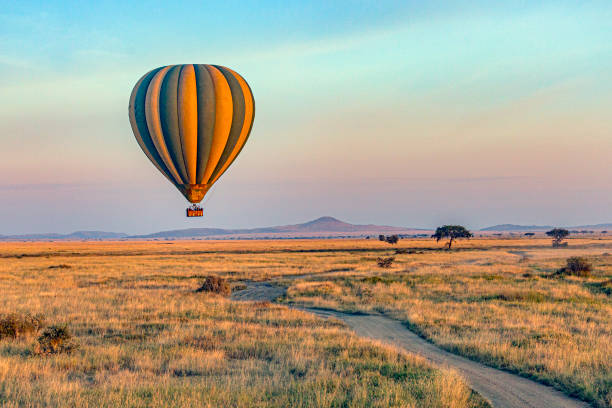
The Serengeti offers diverse safari activities to suit every preference. Traditional game drives remain the most popular way to explore the park, with morning and evening drives providing optimal wildlife viewing opportunities. Hot air balloon safaris offer a unique aerial perspective of the endless plains at sunrise, followed by champagne breakfast in the bush.
Walking safaris, conducted with armed guides, provide intimate encounters with the ecosystem's smaller details often missed during vehicle-based safaris. Cultural visits to nearby Maasai villages offer insights into traditional pastoralist lifestyles and the coexistence between local communities and wildlife. Photography safaris cater to serious photographers seeking the perfect shot of Africa's iconic wildlife.
Conservation Success Story
The Serengeti represents one of Africa's greatest conservation success stories. Established as a national park in 1951, it has maintained its ecological integrity while supporting local communities and tourism. The park's management works closely with surrounding communities to ensure sustainable conservation practices and equitable benefit-sharing from tourism revenue.
Today, the Serengeti continues to inspire visitors with its raw beauty and abundant wildlife, serving as a testament to the importance of protecting Africa's natural heritage for future generations. Whether witnessing the Great Migration, observing predator-prey interactions, or simply marveling at the endless plains under vast African skies, the Serengeti offers transformative experiences that create lifelong memories and deep appreciation for the natural world.
Experience the Serengeti
Join us for an unforgettable safari adventure in the world's most famous national park.